Tiny Houses, I Just Don't Get It.
Sure, this may work for a certain population. But why all the hype?
By TLS
Tiny houses
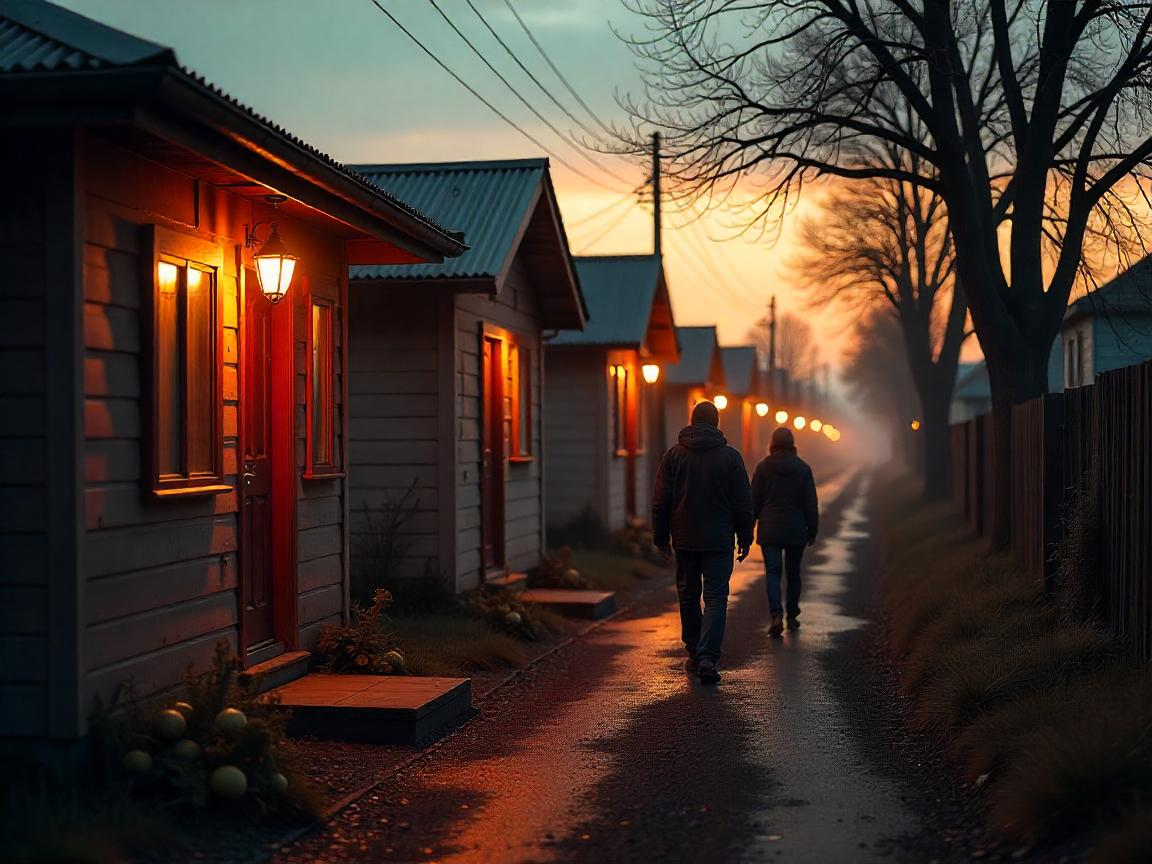
I am sure there are a wide variety of these out there. But essentially, tiny houses are small, transportable, self-contained shoe box size living accommodations. I’ve been in some (new ones) that are actually very nice. I’ve also been in a lot of very not nice ones too (a previous job took me to these places).
Ten years ago I doubt many had heard of this concept but they have since exploded onto the market. Tiny house lots are popping up all over. Cities and municipalities are jumping on the bandwagon too. Small charity organizations host fundraising events for various groups to support tiny home projects. Essentially, tiny homes are here to stay.
But why, and who are these for? Here’s the question, right? At first glance these seem to be great for young singles or people on a very low fixed income. However, they are also great for landlords and corporations. The tiny home design allows for a relatively low investment with a high population density income source. A potentially low-risk, fairly high-return investment.
Why would someone want or need to live in one? As mentioned above, these easily fit a certain population. But housing, in general, has become a nationwide problem. This is almost certainly influencing this growing trend. Commercials and advertisements often try to make these seem cool. Possibly an attempt to make tiny homes socially acceptable.
Again, why encourage these? Probably for simplicity and economy. A few dozen tiny homes can be easily dropped on a lot after some simple utility work. No major building foundations, no contractor’s running six months to a year behind schedule and over budget. Just grade the ground and drop ‘em on some bricks. Instant living space and instant income.
Is this better than apartments? I don’t think so, but they are probably a tiny fraction of the cost of a comparable-unit apartment building. They likely also do not need to meet the same code regulations and other troublesome requirements of larger construction projects.
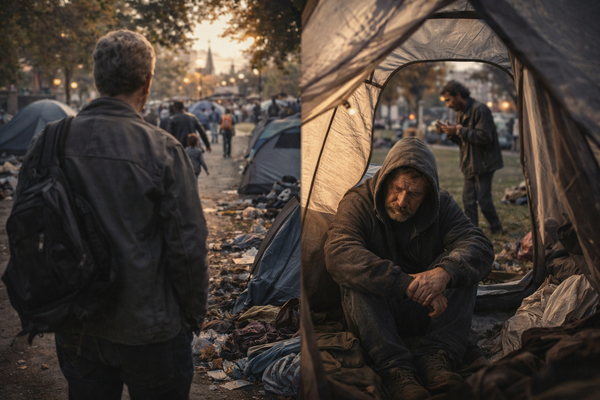
Whats the outcome? More places to live I guess. Do I think tiny home lots are good for local cities or societies? Not really. Yes, they provide housing, but from my experience many lots tend to quickly decline into problem areas. The city or society then needs to spend resources on dealing with those problems.
So, tiny homes; good, bad, or indifferent? Like many societal issues, yes and no, it all depends. Tiny homes may provide a good short-term option for housing. They are not though, good for long-term use. They provide income value to the owner but not for the residents. While tiny homes may help fill a need, I think I still believe more effort should be placed on encouraging people to do better than tiny homes. In the end, that would better help the people, the cities, and society. And today, we could use a whole lot more of all three.
Tiny houses may look like solutions, but they are not the future we should be building toward. Housing should not just be cheap or easy to drop on a lot, it should be sustainable, dignified, and truly supportive of people’s lives. What do you think? Let’s talk about it , share your perspective below.