Important PSA. A Glimpse Behind the Health and Finance Side.
If you do well financially, but not well enough, it may cost you big.

By TLS
If you have at least a half a dozen million dollars in NET assets, this probably doesn’t apply to you. If you have next to nothing, this doesn’t really apply to you either. For those of us in between, yeaahhh, this could bite you big time.
So, what exactly am I talking about? Envision this scenario. You and your spouse have worked forty-plus years. You’ve paid off your house, you have a well-funded 401k, other retirements, a nice savings, several toys; cars, trucks, boats, RVs, and the like. Then suddenly your typical American lifestyle (which means unhealthy) rears up and bites you in the ass with a massive heart attack, a debilitating stroke, rapid onset alcohol-induced dementia, a fractured hip on a body completely out of shape, or something. Take your pick or come up with one of your own choosing. The outcomes are often very similar.
In this situation, here’s what typically happens. After the initial hospital stay, then transfer to a skilled care unit for rehab, home health may have been recommended, you may or may not have accepted, it really doesn’t matter. Now you are home and realize you are not able to safely function in your home and need long-term or permanent care assistance. Guess what? That ain’t cheap and it quickly starts burning through your assets.
At this point you may be arguing back saying “my insurance should take care of everything.” Ahhh, don’t count on it. If you have long-term in-home or facility healthcare insurance…maybe. But this is very expensive and is quite separate from your normal health insurance. Also, very few people actually have this.
Ok, so where is all this going? Here are the two most common outcomes.
People do without what they need; i.e. additional in-home care, needed equipment (ramps, power chairs, home modifications, caregivers, etc.). People often think they can manage, they find out quickly they cannot. Family think they can help, they find out they cannot. If no changes are made here, this often leads to isolation then significant (additional) decline or injury, which leads to re-hospitalization, and often permanent facility placement, and likely not a nice facility (and this is if you’re lucky).
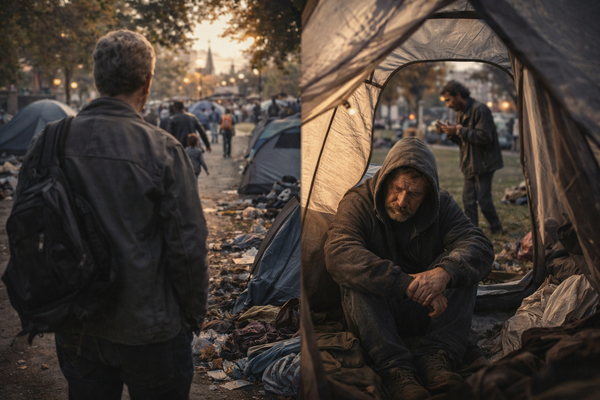
Common outcome number two. The person understands they cannot afford the increased resources. They also understand they need the resources. Here is the typical, usually only, solution. They have to spend down their assets on those resources until they are broke. That means everything, the savings, 401k, sell the boat, the RV, everything must go. Then, if you are lucky, you own your home.
This is where the state steps in. Medicare and private insurance rarely, or barely, covers this healthcare area. Medicaid does, for the most part. The problem is you must be very poor to qualify for Medicaid. Now you are broke, so you sign over your house/property to the state. Now you are literally broke. Medicaid will cover your needed care, for the most part. This is not ideal for many reasons. One, you likely won’t get exactly what you want. Two, you most certainly won’t get as much as you want.
Here’s the salt in the wound, as if this wan’t bad enough already. You worked your whole life and built a very nice home and retirement and life. Now near the end, you wind up poor, disabled, and dependent upon the state. Everything you worked for is now gone.
So what’s the secret? Where’s the nugget of advice to get around this undesirable end? Sadly, there really isn’t a good single solution. The healthcare system is a mess but it’s what we have. If you can fix it, great! Until then, we’re all stuck with this system. Long-term care insurance is very expensive. Simply put, most people will not get it. Also, most of us will not become multi-millionaires. As a result we will not be able to afford what we need when we are at our weakest and most dependent.
Awareness of the problem may be the best we can do for now. Living a healthy(er) lifestyle may help as well. Mostly, understand there may be some very tough very unpleasant choices in our future. If you don’t hit that financial bulls-eye dead on, getting kind of close may be good enough. At this point we don’t live forever so I guess eventually the problem will solve itself. Not exactly ending on a positive note, but we never got a guarantee that it would be.
If you have built a good life, do not assume it is safe. A single health crisis can take everything. Talk to your family now. Explore your options. Make the healthiest choices you can today. The system will not protect you, so you must prepare to protect yourself.