The Digital Leash
How “small government” built the perfect system of control
Voice & Vision | The Divided States Series, Part 6
The First Click
The next form of control won’t come from a gun or a gavel. It’ll come from a login.
Part 5 of this series is available here: E Pluribus Unum.
Across the world, governments are moving toward systems that tie every person to a single, traceable identity. It’s marketed as progress; safer banking, faster travel, cleaner elections, fewer scams. The logic is simple: if you can prove who you are everywhere, everything runs smoother.
But history has a pattern. Every technology that centralizes convenience eventually centralizes power. The same digital key that unlocks your healthcare, paycheck, or vote can also lock you out, or even track disloyalty.
Here in the United States, most people think that kind of system is decades away or something “other countries” do. It isn’t. The groundwork is already being written, not in secret, but in a 900-page blueprint called Project 2025, drafted by the Heritage Foundation and backed by the same movement that claims to hate government overreach. It never mentions “digital ID.” It doesn’t have to. Its goal is to bring all federal agencies, data systems, and decision-making under one hand, the presidency. Once that happens, every record, from taxes to medical files to travel logs, flows through a single authority.
That’s the real issue with digital identity. It isn’t the card, or the app, or the chip. It’s who controls the switch. And here’s the twisted irony: MAGA is doing the most to herald in the coming era of digital ID. The one group most opposed to digital ID is one of the most ardent supporters of Project 2025.
Coding the Cage
Every system of control starts with an innocent word. “Efficiency.” “Security.” “Accountability.”
Project 2025 uses all three.
At first glance, it reads like an administrative guide, a plan to “restore competence” and “modernize government.” But line by line, the blueprint reshapes how power flows. It consolidates independent agencies, removes career civil servants, and places loyalty above expertise. It proposes giving the president near-total authority over federal departments, a structure that legal scholars have called an “imperial presidency.”
When every lever of power leads back to one office, checks and balance oversight becomes optional.
The document calls for new data-sharing systems, “unified information management,” and tighter coordination between federal and state databases. In plain terms, that means a digital infrastructure capable of tracking everything from benefits to biometrics under the banner of efficiency. Combine that with a political movement obsessed with rooting out “illegitimate voters” and “untrustworthy citizens,” and the outlines of a digital ID system begin to appear, without the phrase ever being written.
It doesn’t have to say it. The architecture speaks loud and clear.
That’s the detail many of its supporters refuse to see. The same movement that rails against “Big Government” also champions giving one leader control over the very systems that could define, track, and restrict every American identity. It’s not small government they want; it’s their government, or what they think might be their government.
History has seen this pattern before. Authoritarian power rarely announces itself. It doesn’t march in shouting “dictatorship.” It arrives wrapped in words like “order” and “protection.” Each reform feels practical. Each database sounds harmless. Then one day, the infrastructure exists, waiting for someone willing to use it fully.
If Project 2025 ever becomes policy, that someone won’t need to build a digital ID from scratch. The cage will already be standing. All they’ll have to do is close the door.
When Control Feels Like Convenience
Control doesn’t always look like a cage. Sometimes, it looks like a clean interface.
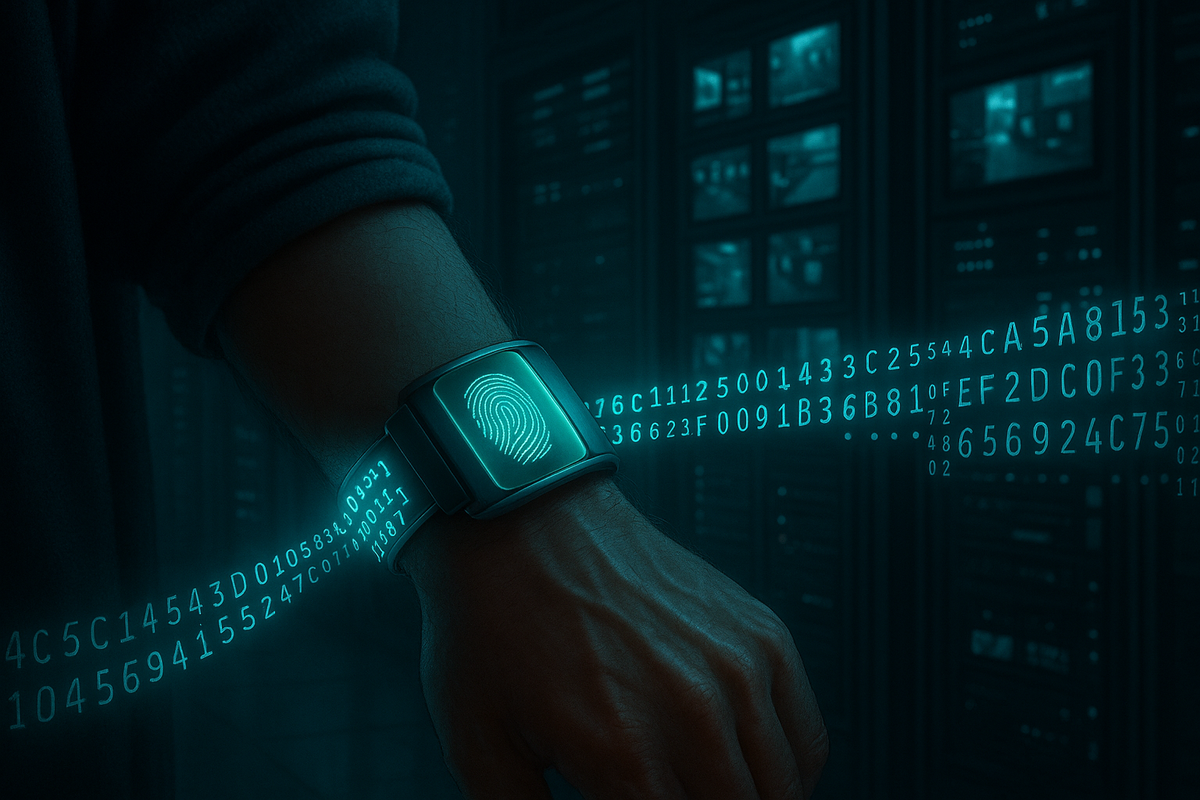
Imagine a world where your entire identity lives inside a single credential. It’s on your phone, maybe even on your wrist. It opens your front door, starts your car, verifies your vote, logs your taxes, and pays your doctor. No passwords, no paperwork, no waiting. It’s simple. It’s safe. It’s everywhere.
Until one day, it isn’t.
Your credential doesn’t verify. Your account is “under review.” The clerk apologizes, the system isn’t personal, it’s procedural. You can’t refill your prescription, access your account, or board your flight. You must appeal through a form that asks you to confirm the very identity you’ve just lost. How’s small government sound now?
This isn’t paranoia. It’s precedent.
Look to China’s social credit system, where digital scoring determines access to loans and travel. Look to India’s Aadhaar program, where identity mismatches have locked citizens out of food rations. Even in Western democracies, pilot programs for biometric IDs and centralized databases already exist, framed as modernization. The pattern is always the same: efficiency first, oversight later.
People rarely resist at the start. They comply because the system feels harmless, even helpful. Every new verification step feels like protection against fraud, against enemies, against the chaos “out there.” But protection has a price. Over time, we stop expecting freedom to be private. We stop noticing that we’re always being verified.
But system doesn’t care, it obeys whoever owns the code, or controls the keys.
Who Holds the Keys
Every system begins with a promise. And every promise asks for a little faith.
That’s what makes the coming years so dangerous. Not because a digital ID will suddenly appear, but because the groundwork for one is already accepted as normal, the constant verification, the password prompts, the camera checks, the “for your security” messages we barely notice anymore. We’ve already adapted to a digital leash. We’re just waiting for someone to tighten it.
When control becomes invisible, it stops being questioned. That’s how freedom fades, not with violence, but with habit.
The question isn’t whether technology will evolve. It will. The question is whether we’ll still own it when it does. Project 2025 shows how easily centralization can masquerade as efficiency, how fast democracy can slide into obedience when one man holds the master key.
But it doesn’t have to end that way. The line between control and coordination, between safety and servitude, depends on who we trust, and whether that trust is earned.
We still have a chance, though it’s shrinking. We can build systems that protect privacy and autonomy, that verify without surveillance, that serve citizens rather than monitor them. Or we can let fear and hate convince enough of us that submission is security. The belief that liberty can survive without responsibility.
If we lose that belief, no law, no constitution, no encryption will save us. But if we remember, if we insist that technology answer to the people and not the powerful, then maybe freedom doesn’t die quietly after all.
Maybe it learns to log in again.
If you haven’t read part 5 already catch up here: E Pluribus Unam.
Thanks for reading! This post is public so feel free to share it.