Is It Credible?
Who know's...?
Voice & Vision |
By TLS
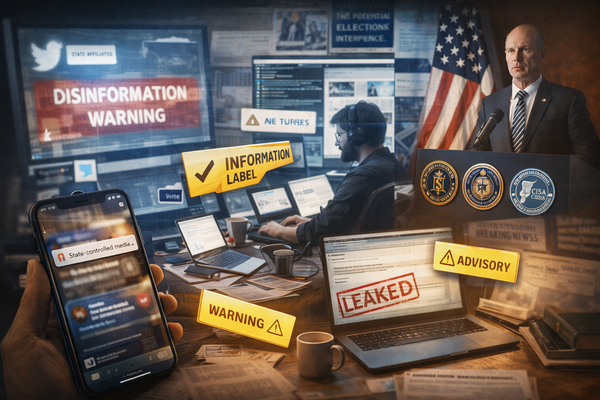
The trouble with credible information.
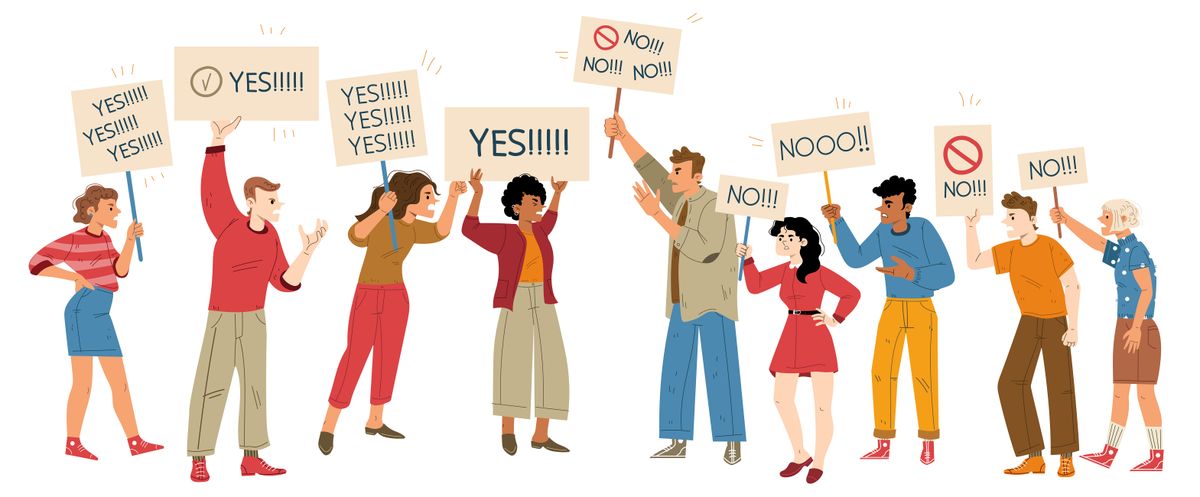
We now live in a time where it can be difficult to find two people to agree that water is wet and the sky is blue. Start talking about complex and nuanced issues and World War III may soon break out in even the most prosaic of settings.
Learning how to identify credible information is actually a difficult skill, and one that does not come naturally to most. Reading and properly interpreting that information is a whole other problem on top of that already difficult task.
How many Google search engine PhD’ers are out there do you imagine? My impression, a lot! What I see? Most people now get their news from low-quality social media. Then, if they choose to think any further than that, they go to their favorite confirmation biasing news source to corroborate, or dismiss, their ‘scientific research.’ (Insert pinching bridge of nose and shaking head here.)
Add the above problem to the following situation. I live in a small rural town of about 30 thousand. Fifth grade is the average reading comprehension level of this community. How critically, might one imagine, will a 27, 34, 45, or 64 year old with a fifth grade reading level review a social media ‘news report’ or interpret an actual scientific research study? I am quite certain this community is not even remotely unique in this regard compared to much of the country.
Disagreeable tendencies, poor search habits, low quality news sources, and poor reading comprehension, are not the only problems either. How many Karen’s (or Ken’s) have you seen and heard of? You know, the ones with some form of higher degree education self-righteousness, which allows them to independently determine pretty much half or more of everything is bad. Add this all to a large subscriber based social media source and voilà, our current national information disaster.
Do your own research. This one is probably the worst. I believe this phrase should mean; learn how to identify those who know what they’re actually talking about. And, also if they are trying to sell you something or are they simply educating/informing the public for the common good or because thats their job?
How I believe most people interpret that phrase; do my own google searches of biased opinions, on low-quality sites, who are also trying to sell me something or clearly have a malicious agenda. Swallow that hook, line, and sinker, then argue that view to the world as iron clad truth.
We can’t be experts at everything, or maybe even anything. If you haven’t heard about the Dunning-Kruger effect (it seems to be almost a household word now) it would probably be a good idea to reseach that little detail. Are you on the left side, or the right side, how do you know? Near the top or near the bottom? A little time spent in self-reflection about positions, views, and belived facts might not be a bad idea either, just in case. There is simply too much information in the world today for any of us to be experts on everything…or even anything.
Clip art
<a href="https://www.freepik.com/free-vector/opposite-teams-activists-with-yes-no-banners_30534343.htm#query=Disagree&position=2&from_view=search&track=sph&uuid=be042371-6bfc-448e-ae37-f8355067e9de">Image by upklyak</a> on Freepik