Homeless
To help or not to help?
What is it?
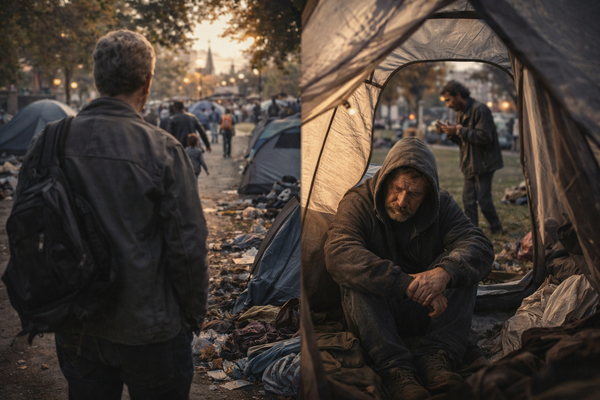
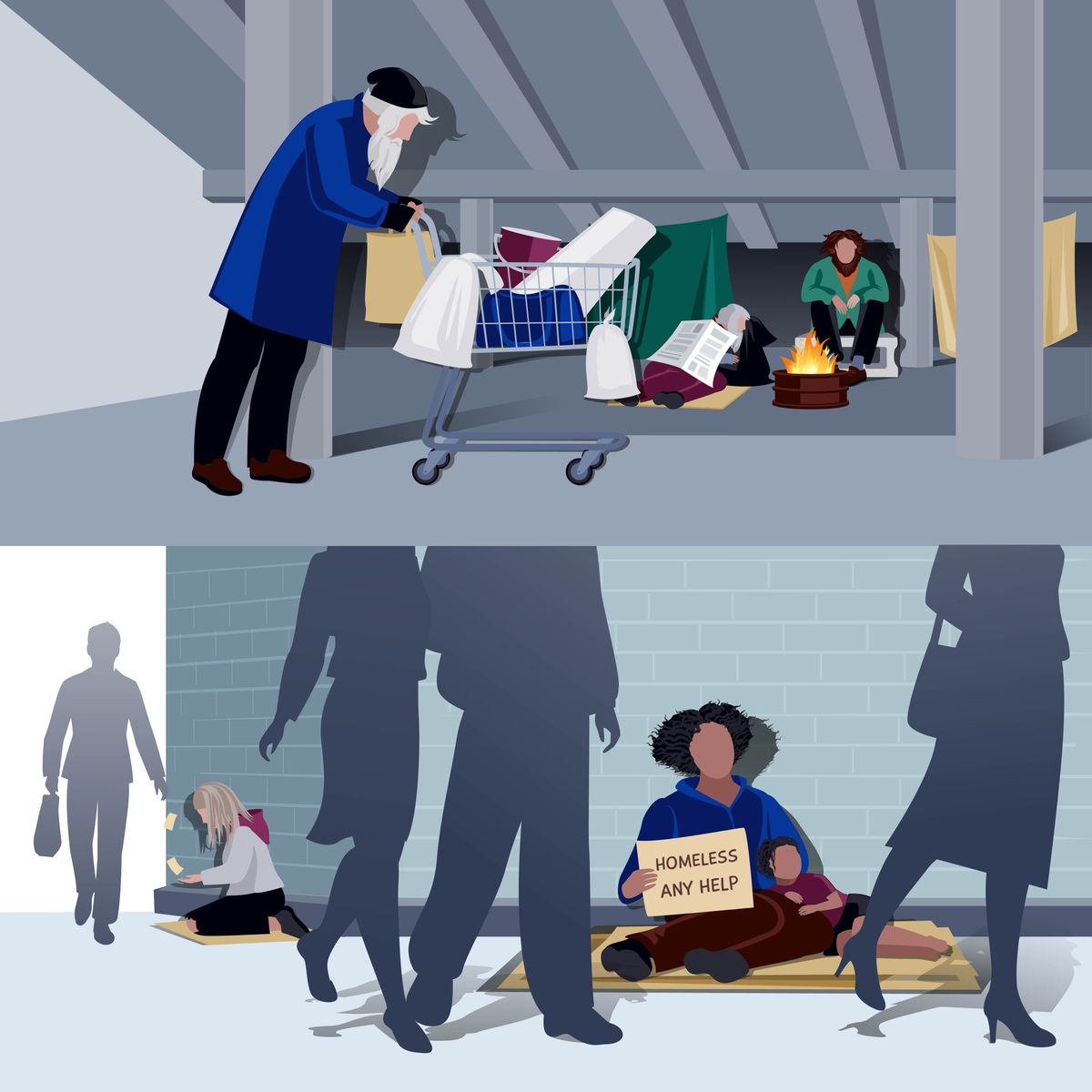
The homeless crisis, the homeless problem, the homeless epidemic. The seemingly endless homeless camps. People living outside, in the bushes, under the bridge, on the sidewalk, or in the now ever present city sponored homeless camps that seem to be fashionably reminiscent of the latest purse or shoe trend, every city should have one.
The short definition? Someone without reliable four walls and a roof and without running water, electricity, or food.
How pervasive is it?
Homelessness seems to be growing. By just the sheer fact that the overall population is growing, I’m sure this is true. Is the percentage increasing relative to the increase in population? I don’t know, but probably.
Associated problems
I am absolutely certain I have never seen a clean, neat, and orderly homeless camp. Yes, some cities which have monitored, and supervised camps tend to be neater. But, if the camp has been there more than six months or so, you can see it trying to revert to the natural order of things.
In addition, there is the increased crime and increased drug use that bleeds out into the surrounding area. Drug paraphernalia, needles, trash, empty beer cans or liquor bottles, human waste, all clear landmarks of homeless areas.
Identify target populations
In the homeless world I’m sure there are many categories or even demographics, if you prefer. In some sort of order, for the purposes of this article only, there’s the newly homeless, the single parent couch surfing homeless, the living in my car homeless, the living on state aid in a motel homeless, the 25 year old physically fit man who just doesn’t want to get up and go to work homeless, the oppositionally defiant homeless, the drug addicted homeless, the mentally handicapped or disdurbed homeless, and of course all flavors and combinations outside and in-between those unofficial categories.
Having dealt with the homeless, in my small experience and in my small slice of the world; I am fairly convinced that the bulk of the homeless fall near and in-between the categories of ‘…just doesn’t want to get up…’ and ‘…drug addicted…’ populations.
The categories higher up on the list could probably benefit from some sort of assistance. Likewise is probably also true for those near the bottom of the list. These are the outliers, the areas where help may be generously supplied and, hopefully, sometimes even successful. These are, the still sizable but, minority outliers. What about the bulk of the middle?
Civic discussion
Rarely is there a town hall meeting addressing homelessness where there i’snt a line of (presumably) well intentioned proponents requesting community aid for the local “unhoused” population.
These discussions usually center around providing assistance simply for moral or ethical considerations. Praise worthy? Maybe. Effective? Not very. The homeless issue remain’s pervasive.
There is a group of people in society referred to as ‘bleeding hearts.’ These people will bend over backwards and turn inside out to help others, never once noticing the knife slowly sliding into their side (or back). This is the ineffectual group usually at the forefront attempting to help.
Reality slap-down
However, and this is probably linked to some immutable law of physics; unfortunately there are no free lunches, someone always has to pay.
In all the arguements and town hall meetings out there, one thing rarely if ever seen is a proponent providing a thoroughly clear and concise argument as to why somone should pay. Morality and ethics are great, but if they are not cost effective, it will never get off the ground. Unfortunately emotional plea’s are the basis of most arguments, and almost certainly why this is still a problem (and a growing one).
The solution
I would like a homeless supporter, or anyone motivated really, to present a solid, fact based, grounded in reality, financialy viable, and of course effective plan for dealing with this problem. Until this type of solution is articulated well and presented to those writing the check, nothing is will change.
An effective solution to homelessness will not be easy. It must be feasable, practical, realistic, and dare say useful; but mostly it must be financially advantageous to the paying community. Short of this, any effort will be token at best and simply more of the same, bleeding out continuously into the surrounding communities.