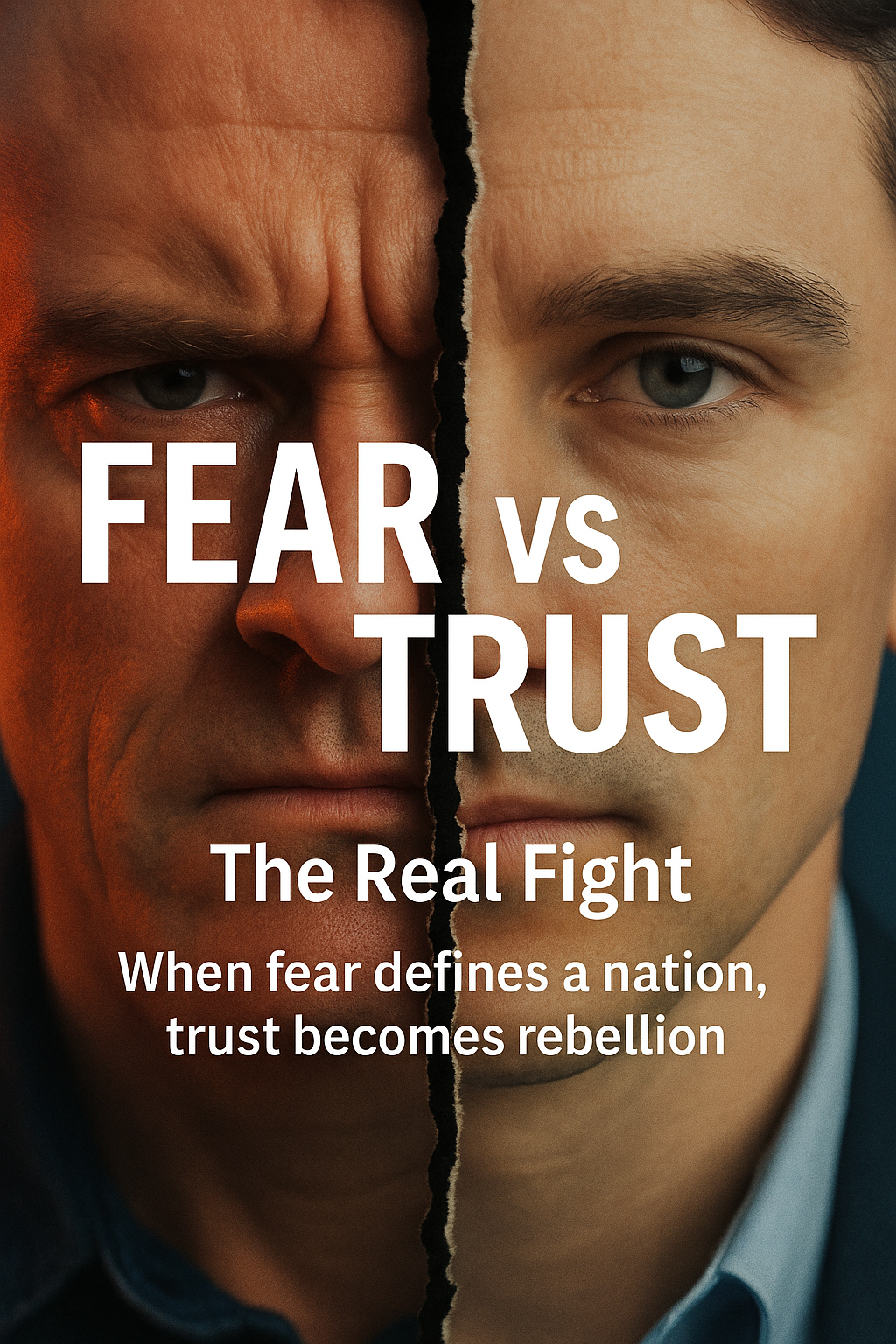
Fear vs Trust: The Real Fight
When fear defines a nation, trust becomes rebellion.
Voice & Vision | The Divided States of America, Part 3
By TLS
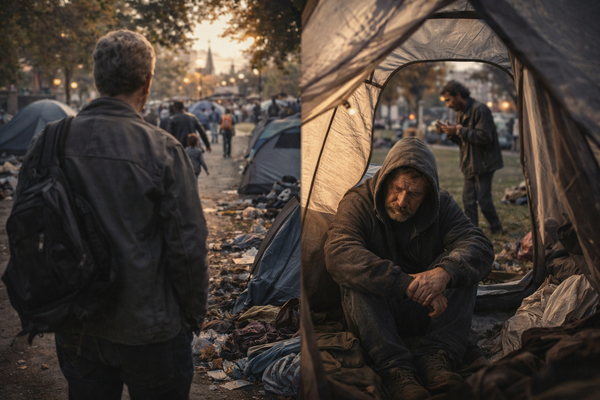
This country is drowning in fear, and it’s not because of some dangerous foreign superpower. Far worse, it’s American fearing American.
Catch up with part 2, The Divided States of America.
We’ve built an entire national identity around it. Safety is measured by who we can blame. Loyalty is defined by who we’re told to hate. And somehow, we’ve convinced ourselves this is normal, that constant suspicion is just how democracy works now.
It’s not.
Fear is insidious. It finds the cracks in our confidence, settles in, and multiplies. It doesn’t need facts or fairness to survive. All it needs is doubt, and repetition.
The Currency of Fear
Fear is powerful because it’s simple. It doesn’t ask questions. It doesn’t need proof. It sneaks in before you even realize, and it spreads faster than wildfire. Trust, on the other hand, is hard. It takes time, effort, work, and patience. It’s also fragile, and it requires good faith to hold together.
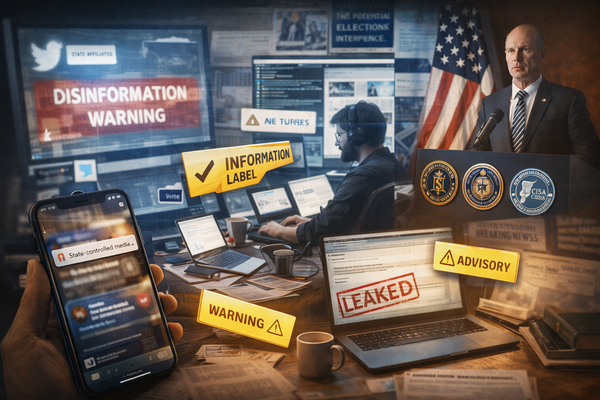
Politicians know this. So do the media companies, the influencers, and the tech platforms that profit from outrage. The more afraid or angry we are, the more attention we give. The more attention we give, the more money they make.
Fear has become the fuel of the modern age. Fear drives the clicks, the ratings, the votes. Fear is the fuel, algorithms the engine.
On one side, there’s fear of losing a way of life. On the other, fear of losing justice. Both are valid concerns, but both are constantly exaggerated to keep us divided. The algorithm doesn’t care which fear you choose. It only cares that you stay angry, stay fearful, and keep clicking and scrolling.
Fear works because it feels like awareness. It tricks us into thinking we’re informed when we’re just agitated. It gives us certainty without understanding. And that certainty is addictive.
But there’s more to it than manipulation. Fear makes us feel powerful in a powerless world. It gives us someone to blame and a target for our anxiety. It replaces uncertainty with clarity, even when that clarity is built on lies. Fear simplifies a complicated world, and simplicity feels safe, even when it is wrong.
That’s why fear spreads so easily. It doesn’t just divide us; it comforts us. It tells us we are right, that we are the good ones, that the danger is always somewhere, or someone, else.
The Erosion of Trust
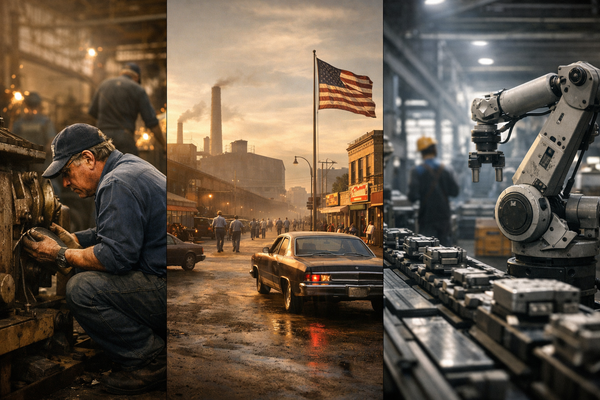
Trust used to be the glue that held us together. Not blind faith, but the quiet assumption that most of the time, other people were acting in good faith too. That assumption is long gone.
We don’t trust the media. We don’t trust the government. We don’t trust our schools, our neighbors, or even many of our own family anymore. We have been trained to suspect everyone and everything, and the cost is showing.
Half my friends and family hold beliefs I find deeply troubling. How do we trust that? But when trust collapses, so does community. When communities collapse, society will follow close behind. The stakes for trust are high, but the motivation should be as well.
When you can’t trust anything, the loudest lie starts to sound like truth. And that’s where we are now, shouting into a void, waiting for something believable to echo back.
Trust is not a luxury. It is the foundation of every functioning democracy, every healthy relationship, every stable society. Without it, nothing else works.
How Fear Wins: By Repetition.
It whispers first, then shouts. It tells you that you are in danger, then shows you a hundred reasons to believe it. It convinces you to pull away, to protect yourself, to stop listening. Or worse, to listen only to your one chosen source, the one that “gets you.”
Over time, fear narrows our world. We stop seeing people as people and start seeing them as threats. We become more guarded, filter our feeds narrower, and little by little, the world outside our bubble stops looking like “our America.”
That is how fear wins, not with violence but with silence. It doesn’t need to destroy our bridges. It only needs us to stop crossing them.
The Cost of Distrust
A nation infected with distrust cannot stand. You cannot run a democracy when every voice sounds like the enemy. You cannot share liberty with people you no longer believe deserve it.
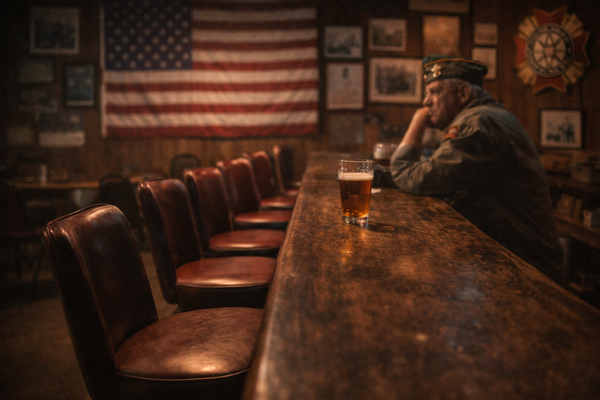
The cost of distrust is exhaustion; moral, emotional, social, and civic. We retreat into smaller and smaller worlds where everything feels safer but nothing changes. We have learned to lock ourselves off, literally and figuratively, so tightly that we have forgotten how to open up.
And distrust breeds apathy. Once you believe everything is corrupt, why try? Once you assume everyone is lying, what is left to defend? A nation of people who stop believing in each other may not collapse all at once. It fades, one lost conversation and one broken bond at a time.
Reclaiming Trust
So how do we fix it? Not through slogans or speeches, but through risk, the risk of trusting again.
Trust does not mean agreement. It means giving others the benefit of doubt until they prove unworthy of it. Trust is hard to rebuild because it requires vulnerability. And we are a country that has forgotten how to be vulnerable, and humble, without being branded weak.
But there is strength in trust. It is what allows neighbors to disagree without hate, institutions to function without corruption, and a democracy to grow into the greatest version of itself.
We cannot legislate trust, but we can live it, one conversation, one truth, one small act of grace at a time. It starts small. Listening without interrupting. Correcting misinformation without mockery. Choosing understanding over humiliation. Those small choices are where trust begins to grow again.
Closing Reflection: Fear divides. Trust builds.
Every generation faces a defining test. Ours is not about territory or technology or foreign wars. Our test is whether we can keep faith in our fellow Americans.
If we keep choosing fear, we will keep choosing collapse. But if we choose trust, even when it feels impossible, we might still find our way back to being one nation “…indivisible, with liberty and justice for all.”
Continue with part 4: Finding Our Way Back.