Ancient Tribe to the Modern Clinic
Modern Society Treats War as a Personal Injury Instead of a Shared Responsibility
Voice & Vision | War, Society, and Moral Responsibility
There’s a difference between knowing violence exists and being asked to perform it, then carry the burden.
For most of human history, warriors, and everyday citizens alike, grew up in societies where death was visible and close. Animals were slaughtered in public. Punishment was physical. Illness and injury weren’t hidden behind doors or euphemisms. Violence wasn’t constant, but it was familiar. When ancient warriors went to war, they weren’t stepping into an alien reality. They were stepping deeper into one they already understood and lived within.
Modern soldiers come from a very different world. We grow up protected from blood, death, and the raw mechanics of harm. Violence is abstracted into screens, metaphors, and policy debates. Most people live their entire lives without seeing a body broken by force. Then a small number are sent into environments where violence is sudden, severe, and intimate. The shock isn’t just the danger. It’s the rupture of reality itself. Combat doesn’t extend their worldview. It shatters it.
Ancient combat was brutal, but it wasn’t psychologically lonely. Killing happened face to face, and side by side. It was witnessed. It was shared. The warrior knew exactly what he had done and why. He stood as a wall for the person beside him. Survival depended on proximity, trust, and mutual obligation. Meaning was immediate and collective.
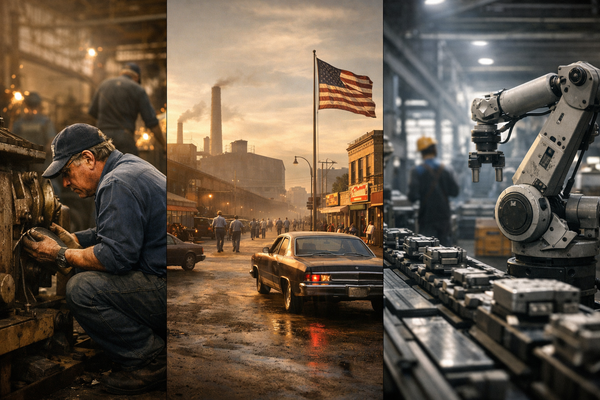
Modern combat is technologically distant and morally isolating. Decisions are often mediated through optics, coordinates, screens, and systems. A single action can carry consequences far beyond what the body or mind can fully grasp in the moment. The soldier is still responsible, but the context is thinner, more abstract. When the mission ends, the meaning often dissolves with it.
Throughout history, what followed combat mattered just as much as what came before.
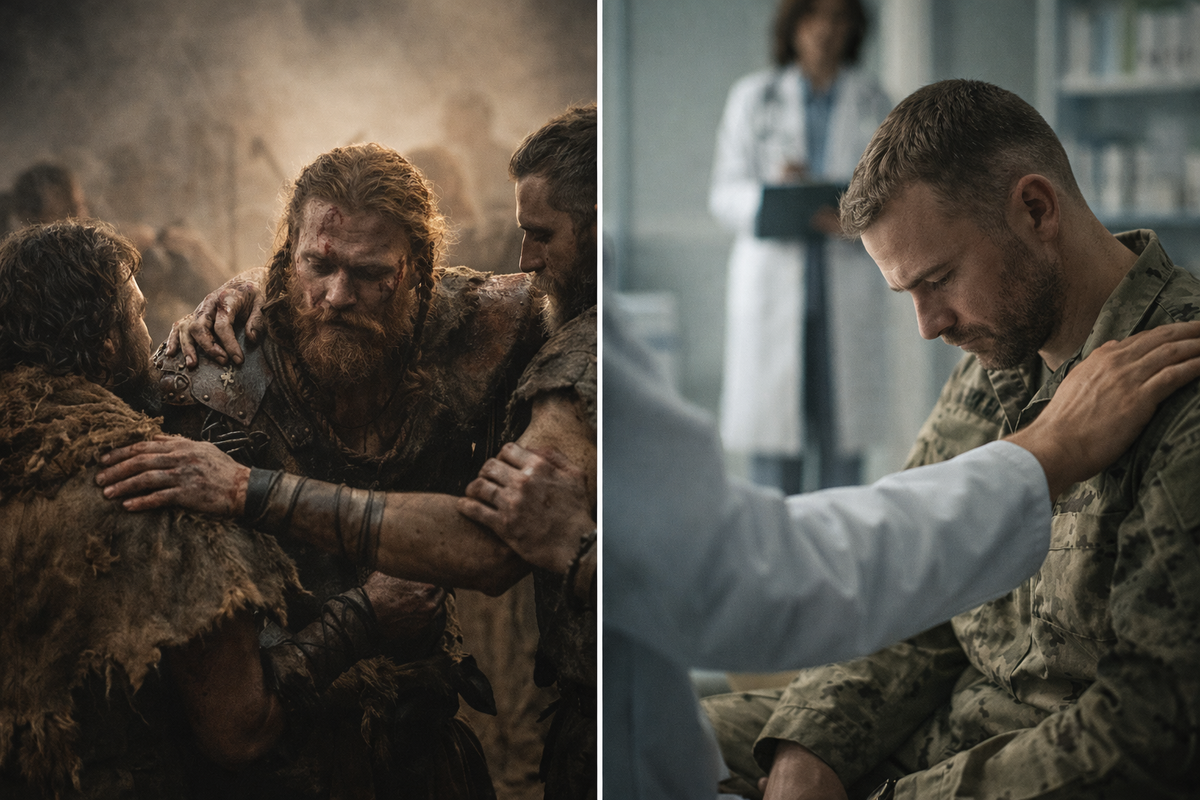
Ancient societies knew war left its mark. They expected it to. They understood that violence done on behalf of the group created a shared moral debt. That debt was handled publicly, through ritual, story, and acknowledgment. Greek tragedies weren’t entertainment. They were communal processing. Roman purification rites weren’t superstition. They were social reintegration. The message was clear. You did this for us, and now we will help carry what came back with you.
We’ve replaced that model with something far smaller.
Today, war’s consequences are treated as a private malfunction. Trauma is framed as a clinical condition, diagnosed in isolation, medicated quietly, and managed behind closed doors. The burden is placed back on the individual who carried it out, not on the society that required it. We call this compassion, but it’s denial at a distance. Care without shared responsibility.
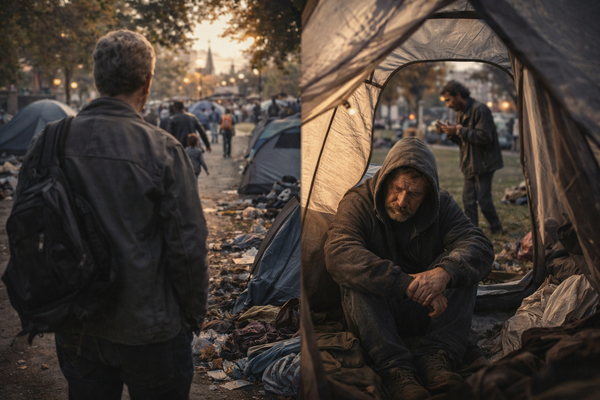
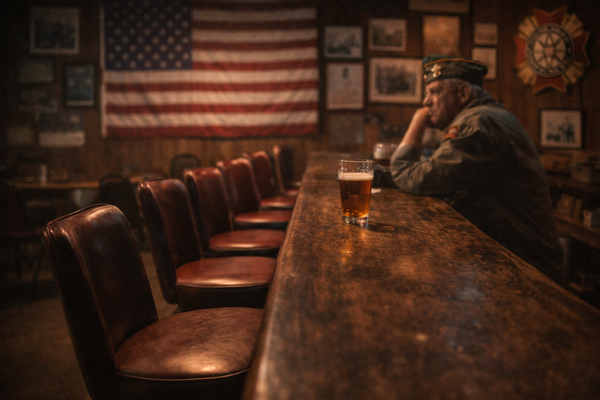
The modern soldier doesn’t return to a world that accepts rituals for reintegration into society. They return to forms, appointments, and silence. Their experience becomes a case file. Their identity shifts from necessary protector to reluctant patient. The tribe dissolves into clinical systems.
This may be the deepest wound of all.
In war, soldiers are essential. Every role matters. Every person is needed. Belonging is total and unquestioned. Then the uniform comes off, and that camaraderie vanishes overnight. In a safe, individualistic society, there’s no equivalent role waiting. No shared purpose that absorbs what was learned under fire. What once made them indispensable now makes them difficult.
Humans aren’t built for that kind of whiplash. We’re tribal animals, we need to be needed. When that bond is severed without replacement, meaning drains away. Trauma is no longer just memory. It’s displacement.
We like to believe we’re more advanced than our ancestors because we’re cleaner, safer, more rational. But in our effort to sanitize violence, we’ve also privatized its cost. We honor service symbolically, then outsource its consequences to clinics and charities. We thank people for their service and sacrifice, then ask them to process it quietly and move along.
The ancient warrior returned to a people who understood what had been done in their name. The modern soldier returns to a world that prefers not to ask. We’ve made safety private and sacrifice invisible, then wondered why reintegration feels impossible. Maybe the problem isn’t that we don’t know how to welcome them back. Maybe it’s that we’re afraid of what it would require of us if we truly did.
The perspective that you did this for us, and we will now help carry the burden was part of ancient ritual and social responsibility. Unfortunately, modern society still hasn’t decided whether we’re willing to help carry that burden.
Thanks for reading! This post is public so feel free to share it.